
Practical pet insurance decisions

Make a cheap policy affordable to use

A small premium can help the monthly budget, but it needs to leave a workable plan for the bills you still pay.

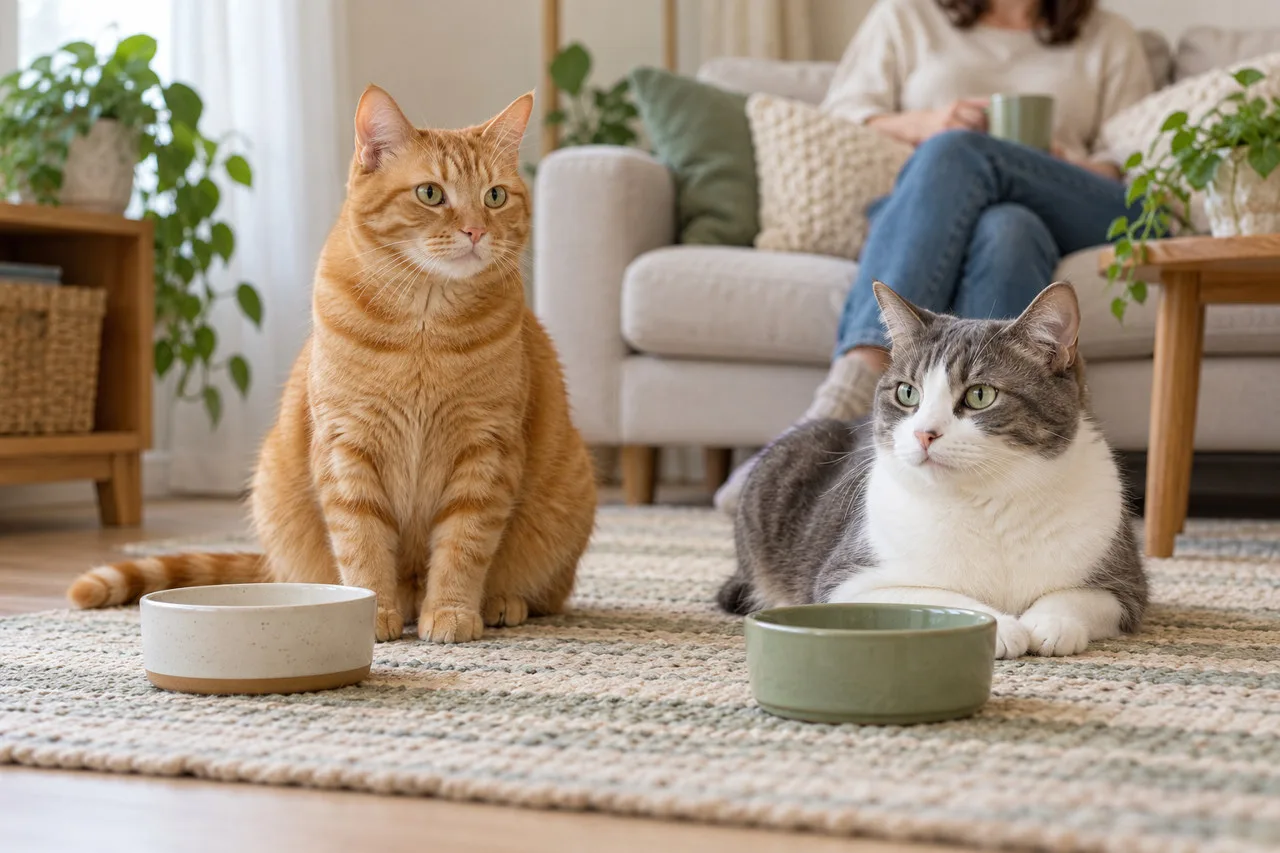
Two cats beside feeding bowls at home
✓ Policy-first ✓ Independent ✓ Useful checks
Direct answer
Cheap pet insurance is useful when the lower premium leaves you with risks you can deliberately afford to keep. Compare the same essential protection first, then test a higher deductible, lower reimbursement or narrower benefits one change at a time. There is no single cheapest price for all pets. A plan that leaves you unable to fund the initial bill or the retained share may be inexpensive to buy but difficult to use.
Pet profile

Identify which part of pet spending is under pressure

If the problem is predictable routine care, a medical policy for unexpected illness may not reduce that expense. If the problem is a large unforeseen bill, a routine-care package may leave the main risk untouched. If the monthly premium is the difficulty, focus on the protection you need to preserve while testing the quoted price.

Write down the expense you want help with and the amount already available to pay for it. Do not count money you hope to save next month as though it can pay today’s invoice. This separates an affordability problem from an unsuitable-product problem.

Cost & value

A discount can lower one line while the total goes up

Use a fictional household with a $28 monthly cat premium and a $52 monthly dog premium. The combined medical premium is $80. An imagined 5% discount on both would save $4 a month, or $48 over twelve months. This is not a discount offered by a named insurer and does not describe an available quote.

Now suppose the household also adds a fictional $9 monthly routine package for each animal. Those extras add $18 per month. Even after the imagined discount, the total becomes $94 per month, which is $14 more than the original medical-only total. The package may still be useful, but the discount does not make the complete purchase cheaper.

When an actual offer advertises savings, ask which premium components qualify, how long the reduction lasts and what other purchase is required. Compare the total amount you would pay with and without that arrangement. Do not buy an unwanted extra solely because it makes a discount badge appear.

For a bundle involving another kind of insurance, compare that other policy independently too. A pet-premium saving alone does not establish a cheaper or suitable household insurance package. Keep the veterinary protection decision visible rather than hiding it inside a larger total.

What to know

Know exactly what you concede for each saving

Change to request Potential benefit to the budget Risk you keep
Higher deductible A lower quoted premium, if offered. More eligible expense before the applicable deductible is met.
Lower reimbursement A smaller premium for the offered setting. A larger percentage of eligible costs.
Lower payout limit A potentially lower regular payment. Bills beyond the available insurer benefit.
Remove optional routine benefits Less paid for the package. Routine services must be financed separately.
Accident-only instead of illness cover A narrower policy may cost less. Illness treatment is outside that scope.

Obtain actual revised quotes to establish whether a change saves money. Do not attach a hypothetical dollar saving to a real insurer’s setting. Keep illness coverage as a nonnegotiable requirement if that is the risk you are trying to transfer.

What to know

For several pets, a household total can hide weak protection

Quote each animal accurately and keep its deductible, limits and history questions visible. One pet’s inexpensive offer does not establish the affordability or usefulness of another’s. Add the scheduled premiums only after understanding what each policy does.

If the household total exceeds your ceiling, compare the same controlled changes for each animal rather than automatically stripping all benefits from the more expensive pet. Any discount should be verified in the actual offer. A discount label does not answer whether each policy leaves a manageable remaining bill.

You do not have to buy the same optional routine package for every animal merely to make the comparison tidy. The useful result is a household plan that can pay for care, with different choices documented where appropriate.

Cost & value

Protect against a costly switch

If you already have insurance, request an explanation of the renewal price and any permitted changes within the existing policy before replacing it. Ask whether reducing or later restoring a benefit affects future eligibility. Do not assume an option can be removed and re-added without consequences.

Then compare a replacement’s treatment of earlier symptoms and ongoing conditions. A cheaper premium with a material new exclusion is a different purchase. Keep the old and new terms side by side until you understand the consequence; cancellation is not a harmless way to see what happens.

If no affordable offer passes your essential requirements, say that clearly. A planned reserve and discussion of available clinic payment arrangements may still help, but neither creates insurance coverage. For current illness or injury, seek veterinary advice rather than waiting for a bargain policy.

Evidence

Sources and policy context

These public references support the consumer or veterinary context. Named insurer details were checked in official product materials; the policy offered for your pet and state determines the actual terms.

Next step

Compare Current Pet Insurance Rates

Check current options for your pet and location, then compare the policy details, exclusions, costs, and eligibility before choosing.

Compare the policy before you choose Check the actual offer, exclusions and out-of-pocket terms.
See Rate Options